How Direct Private Equity Investments Round Out PE’s Virtuous Cycle

TIFF has a long history of making “opportunistic” private investments. The label can easily be misunderstood. To some, “opportunistic” may sound short term and risky or imply some sort of exception to an otherwise well-founded, long-term strategy. Sometimes the difference between a single, off-the-beaten-path investment and a less traditional but long-term strategic investment approach may seem blurry, especially to our members, who aren’t with us analyzing investments every day. In the past, we at TIFF even employed a fund category labeled “opportunistic” for many of our direct investments in companies alongside our managers and investments in fund interests acquired on the secondary market. The category was more of a convenience than a statement about ranking assets or strategies. The fact is, thinking of secondaries and direct PE investments as somehow outside the bounds of a core private investment approach devalues the importance of this form of investing to our PE program.

This is an excerpt from a longer article. Please download the PDF to read more.

Note: This article was first published in March 2017; it has been updated in September 2023.
Institutional Investors Should Increase Private Market Allocations

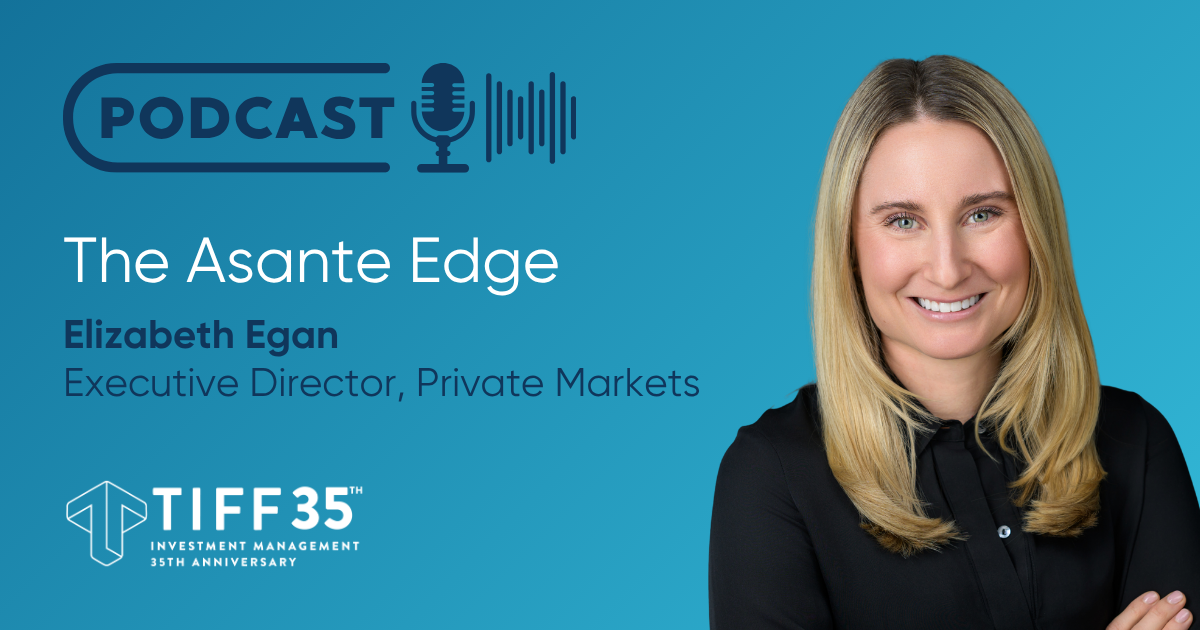
Elizabeth Warren, Director of Member Strategy at TIFF, sat down with FundFire to discuss why institutional investors should continue to make their annual allocations in private markets despite concerns about liquidity, as historical data suggests that such investments can lead to significant returns during crises due to decreased competition and access to high-quality managers.

Watch the interview: Institutional Investors Should Increase Private Market Allocations


The materials are being provided for informational purposes only and constitute neither an offer to sell nor a solicitation of an offer to buy securities. These materials also do not constitute an offer or advertisement of TIFF’s investment advisory services or investment, legal or tax advice. Opinions expressed herein are those of TIFF and are not a recommendation to buy or sell any securities.

Screw Your Courage to the Sticking Place: Continuing to Invest in Private Markets through 2023

Investors have weathered a sustained challenging market environment with continuing effects of the pandemic compounded by war and macroeconomic factors.

In periods where returns and liquidity are under pressure, even the most sophisticated investors can be tempted to reduce – or even eliminate – commitments to Private Markets.

We espouse to our clients the importance of not trying to “time” Private Markets – and instead to commit consistently at a steady level year in and year out.

Download our new white paper: Screw Your Courage to the Sticking Place: Continuing to Invest in Private Markets through 2023

Engaging OCIOs through Private Market Solutions

TIFF Investment Management’s Head of Private Market Client Solutions, Carolyn Patton, CFA, sat down with Dakota Live! podcast to discuss how TIFF approaches private market solutions. Carolyn discusses TIFF’s approach to manager sourcing, due diligence and selection. Throughout the conversation, Carolyn expands on TIFF’s broader initiatives around diversity, equity, inclusion, and sustainability.

Watch Carolyn in this informative and interactive discussion: https://youtu.be/taNPjoJRsvc

More Investors Consider Direct Route to Owning Stakes in Private Firms

Investors have committed billions of dollars over the past several years to fund managers that buy modest stakes in private-equity firms, but some of those same investors now want to go it alone.

“Private equity is a great business to own with highly recurring revenue, high free cash-flow margin, large upside kicker in the form of [profit shares or] carried interest,” said Brendon Parry, managing director of private investments with TIFF Investment Management. The nonprofit organization, which acts as an outsourced chief investment officer for other nonprofit groups and foundations, is considering investing directly in firm-management companies.

More Investors Consider Direct Route to Owning Stakes in Private Firms